These books have been recommended by members of our reconciliation working group and by others walking this journey alongside us. Some are personal accounts, some are fiction, some are history, and some are for younger readers. All of them invite us into perspectives and experiences that most of us have not been taught.
Start anywhere.
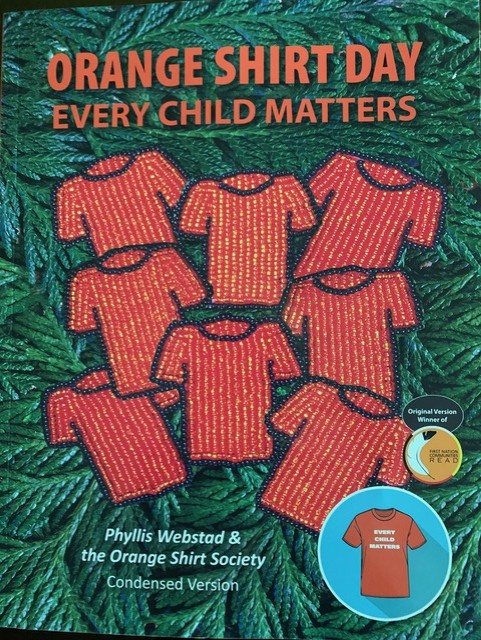
Orange Shirt Day: Every Child Matters - by Phyllis Webstad & the Orange Shirt Society (2023, Non-Fiction)
A special abridged version, this books explores the impact of residential schools, the journey of the Orange Shirt Day movement, and how allies can participate in the National Day for Truth and Reconciliation.
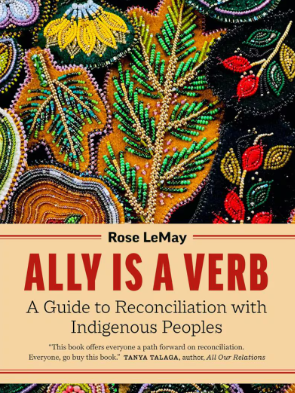
Ally is a Verb - by Rose LeMay (2025, non-fiction)
Rose LeMay is a member of the Taku River Tlingit First Nation and the founder of the Indigenous Reconciliation Group. Her book begins with a simple but demanding question: what does it mean to be an ally? LeMay argues that allyship is not a title or a badge, it is a practice, requiring continuous self-education, cultural humility, and a willingness to be uncomfortable. We read this together as a working group in spring 2026 and found it an honest and generous companion for the journey.

First Nations 101 - by Lynda Gray (2011, Non-fiction)
Lynda Gray is a member of the Tsimshian Nation on the Northwest Coast of BC. Her book is an accessible primer covering the diverse and complex lives of First Nations people across Canada, and a clear-eyed call for genuine reconciliation between First Nations and non-First Nations people. A good place to begin if you are new to this territory.
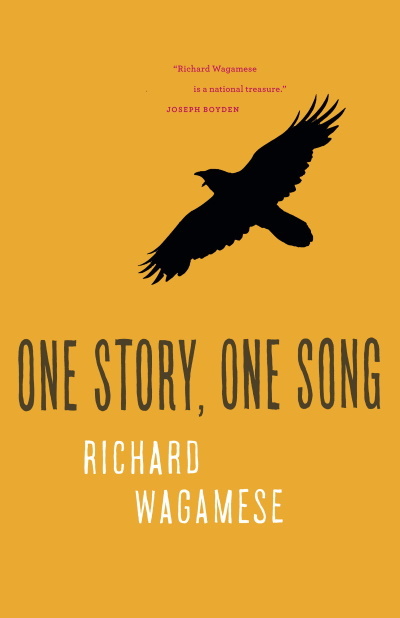
One Story, One Song - by Richard Wagamese (2011, Non-fiction)
Richard Wagamese invites readers to accompany him on his travels, gathering stories along the way. Ancient and contemporary, cultural and spiritual, his reflections are grouped around four Ojibway storytelling principles: balance, harmony, knowledge, and intuition. A quiet and beautiful book.
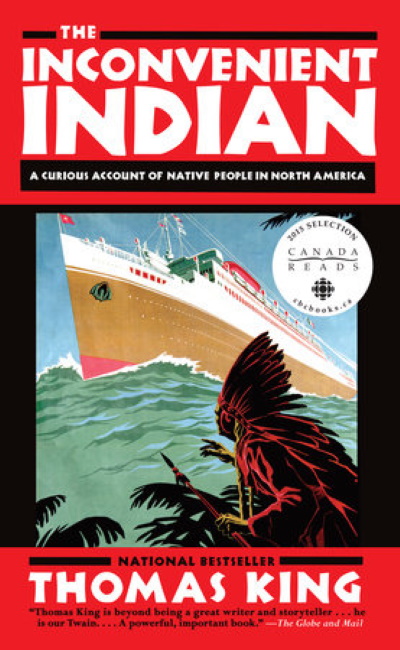
The Inconvenient Indian: A Curious Account of Native People in North America - by Thomas King (2012, Non-fiction)
Rich with dark and light, pain and magic, The Inconvenient Indian distills the insights gleaned from Thomas King's critical and personal meditation on what it means to be "Indian" in North America, weaving the curiously circular tale of the relationship between non-Natives and Natives in the centuries since the two first encountered each other. In the process, King refashions old stories about historical events and figures, takes a sideways look at film and pop culture, relates his own complex experiences with activism, and articulates a deep and revolutionary understanding of the cumulative effects of ever-shifting laws and treaties on Native peoples.
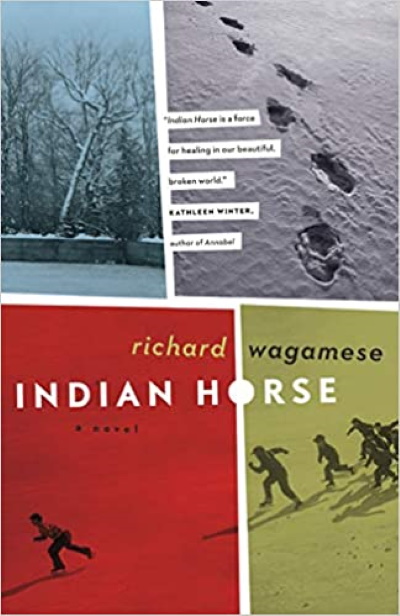
Indian Horse - By Richard Wagamese (2012, Fiction)
Saul Indian Horse has hit bottom. In a treatment centre, surrounded by strangers, he begins to tell his story — as a northern Ojibway boy, a gifted hockey player, and a survivor of the residential school system. Wagamese writes with extraordinary compassion about trauma, resilience, and the long road toward healing. One of the most important Canadian novels of recent decades.

The Break - by Katherena Vermette (2016, Fiction)
When a young Métis mother witnesses what appears to be a crime on the barren field outside her window, a web of interconnected lives begins to unfold. Told through multiple voices, family, friends, a social worker, a police officer, this novel offers an unflinching and deeply human portrait of Indigenous women's lives in Winnipeg's North End.
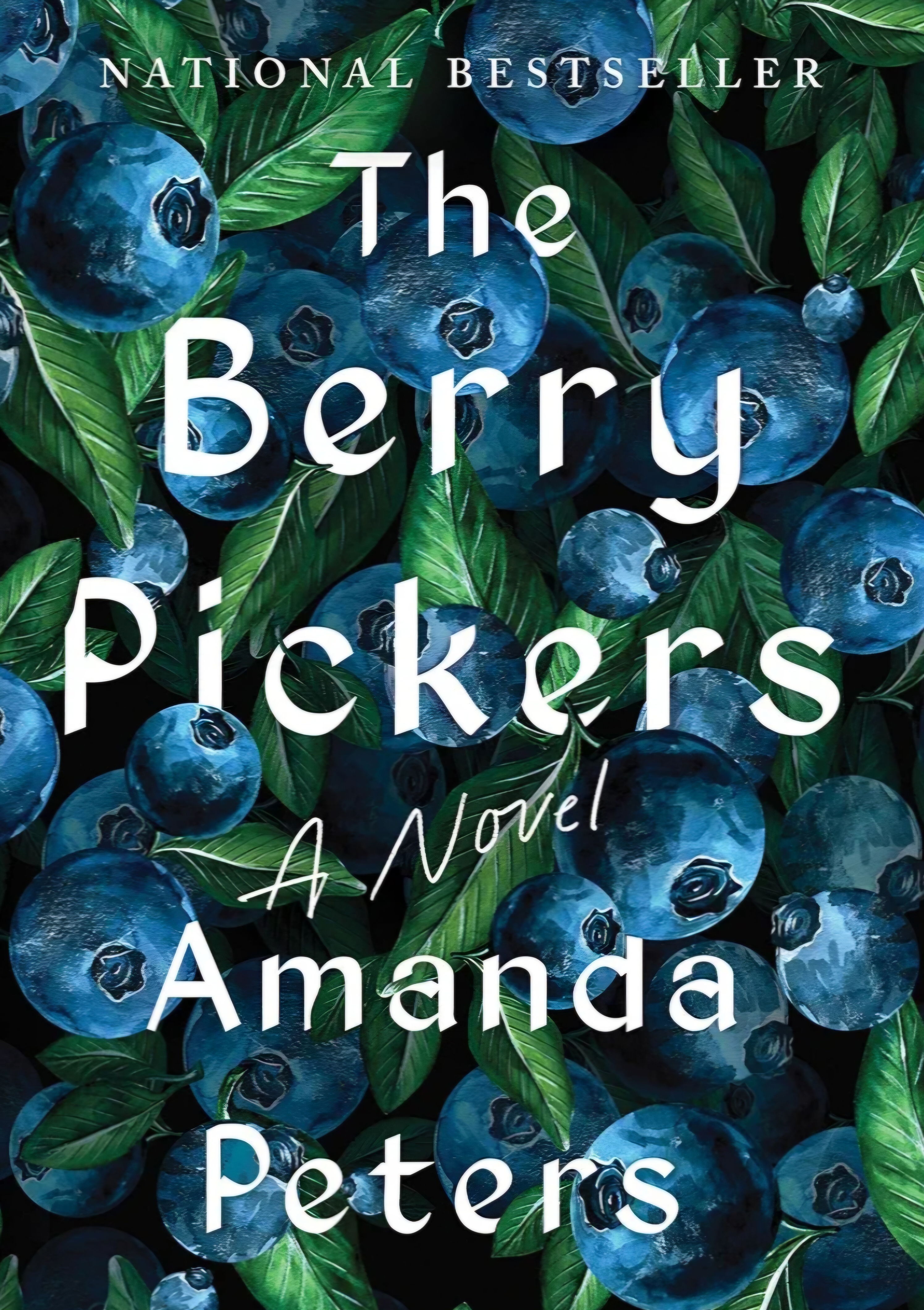
The Berry Pickers - by Amanda Peters (2022, Fiction)
A Mi'kmaq family travels from Nova Scotia to Maine each summer to pick blueberries. One day, the youngest daughter vanishes. This award-winning debut novel moves across decades and perspectives to explore family, loss, identity, and belonging, and the long shadow that a single moment of violence can cast across generations.
FOR YOUNG READERS:
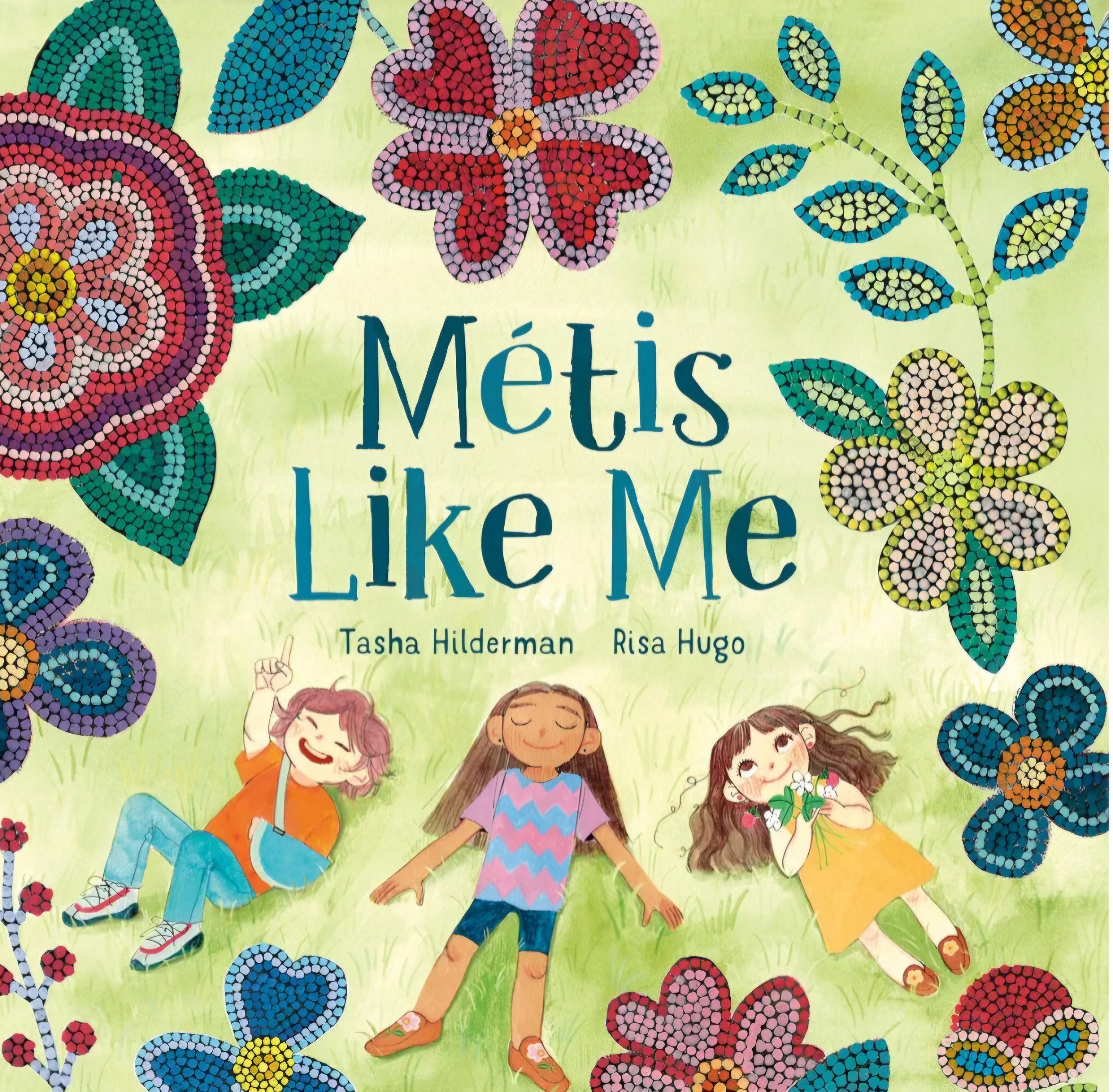
Métis Like Me by Tasha Hilderman and Risa Hugo (Children's picture book)
A warm and joyful celebration of Métis identity, community, and culture, written for young children. A lovely way to introduce the whole family to one of Canada's three distinct Indigenous peoples, and a reminder that reconciliation belongs to every generation.
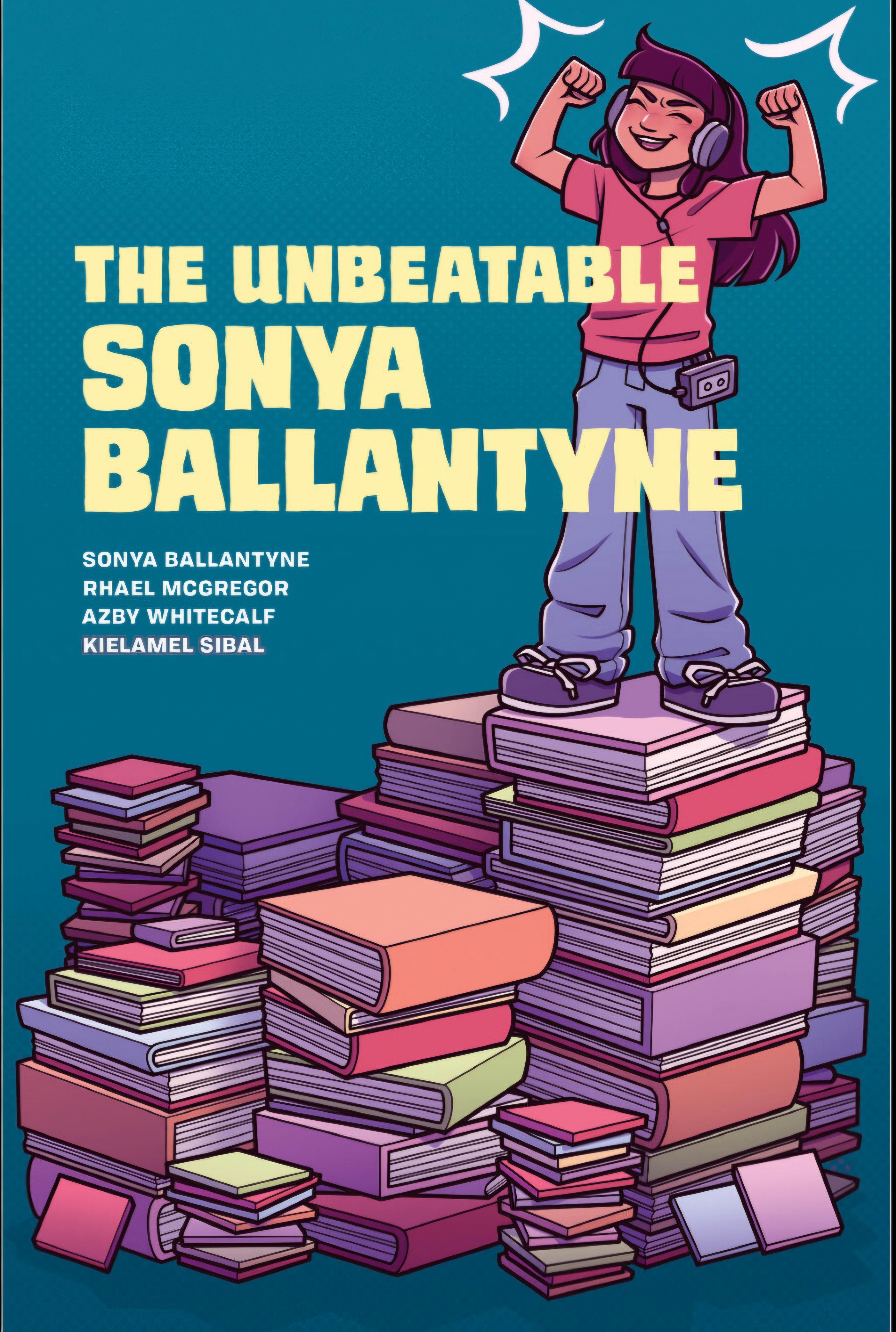
The Unbeatable Sonya Ballantyne by Sonya Ballantyne (Young adult graphic novel)
Funny, imaginative, and full of heart, this graphic novel follows a young Indigenous girl navigating friendship, family, and her own sense of self. A great choice for teenagers and a welcome reminder that Indigenous stories are not only stories of trauma — they are also stories of joy, humour, and resilience.
This list will continue to grow as our journey continues. If you have a recommendation to share, please contact the parish office.